Types of Scams in Australia: Are You a Victim?

Knowledge is your first defense. Learn about common scam tactics, recognize warning signs, and take the first step toward recovery with Cybear - Track & Expose.

Scam type

Romance Scams Explained

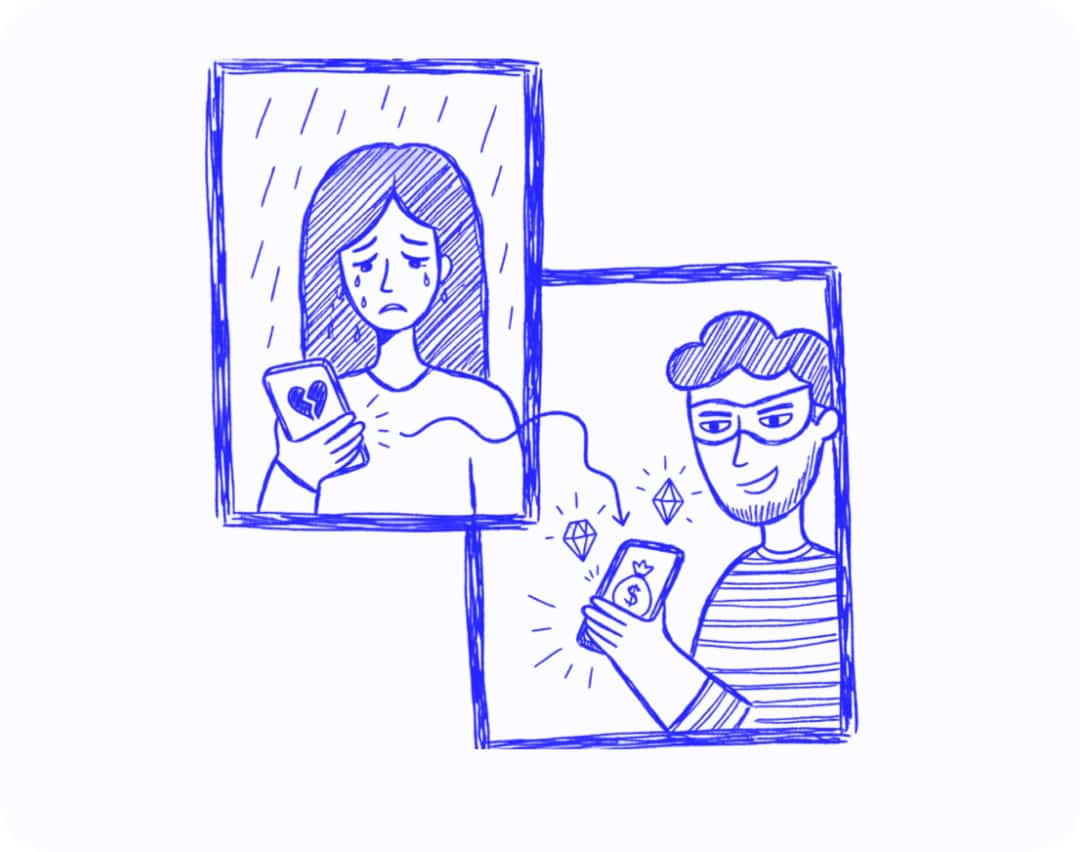
Typically originate on dating apps or social platforms, romance scams is where an offender builds deep emotional rapport before requesting funds for fake emergencies, travel, medical costs, or restricted bank access.
Two dating profile photos on phones, illustrating a romance scam
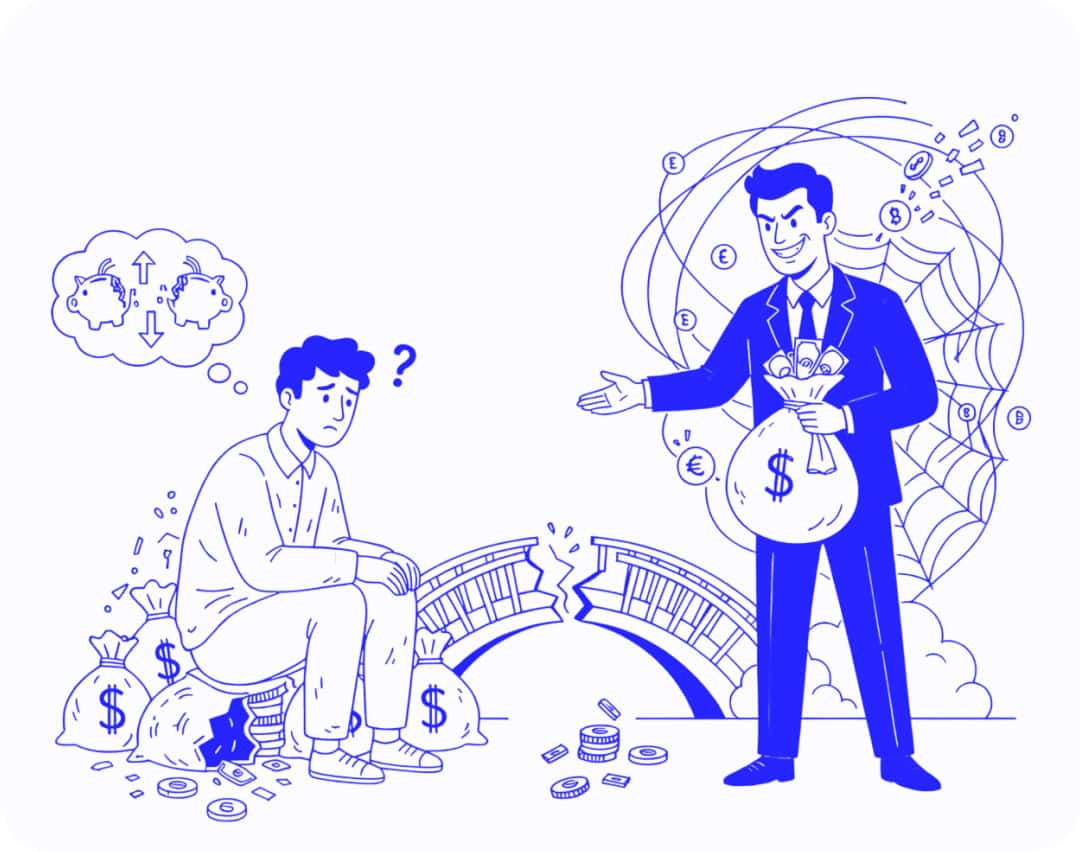
Man handing money to a well-dressed scammer across a bridge, illustrating an investment scam
Scam type

Investment Scams Explained

Investment scams often begin with an initial deposit, followed by falsified account growth, test withdrawals, and escalating pressure to invest larger sums through unregulated platforms.
Scam type

Job & Task Scams Explained

Job scams involve structured “task” or “click-to-earn” schemes where victims must pay fees or advance funds to get commissions, with withdrawals blocked once deposits increase.
Woman working on a laptop while a man in a suit pulls the strings, illustrating a job or task scam
Man in a suit with money bags surrounded by dollar and crypto symbols, illustrating a crypto scam
Scam type

Crypto Scams Explained

Crypto scammers use digital wallets and QR codes to rapidly move assets across jurisdictions, which obscures transaction trails and complicates recovery efforts.
Scam type

Recovery Scams Explained

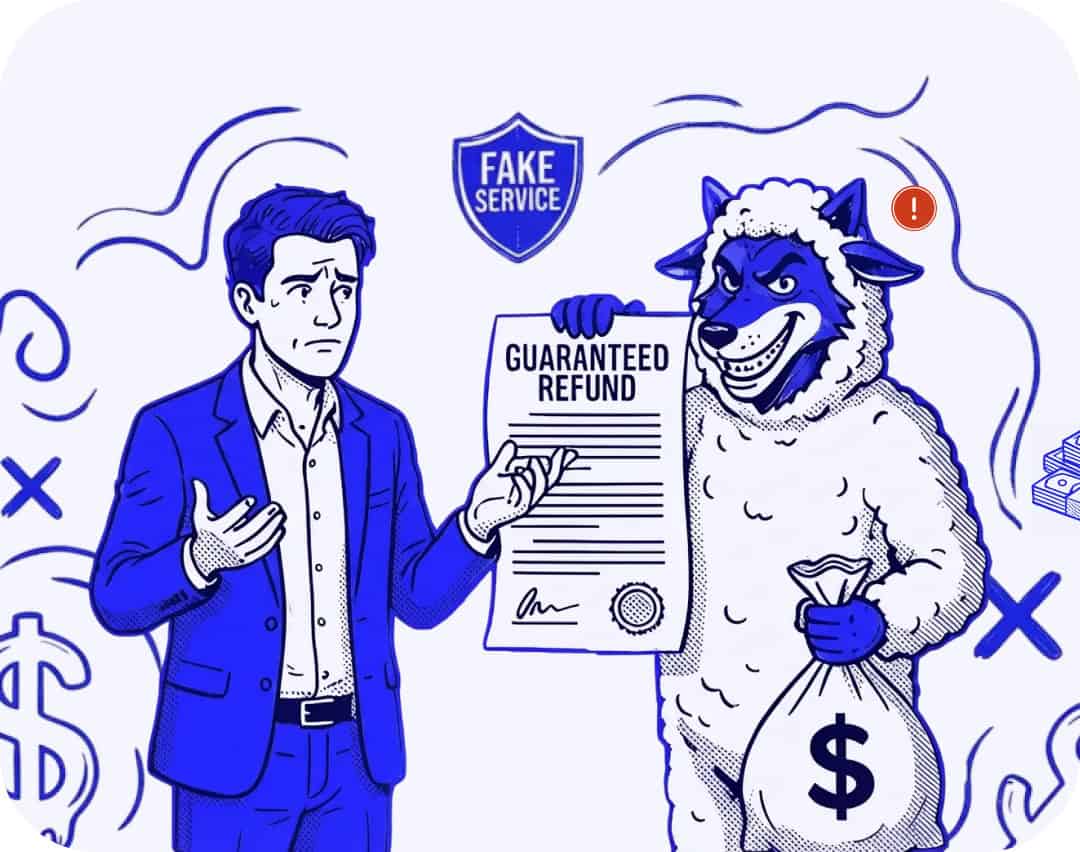
These are fraudulent services that target scam victims by promising to recover lost funds. They extract additional fees using false guarantees, fabricated credentials, or urgency tactics.
Wolf in sheep’s clothing offering a fake guaranteed refund, illustrating a recovery scam
Types of scams in Australia: a scam victim on the phone while a scammer takes his money
Scam victim with a phone thinking about a scammer while talking to an adviser
Scam type

Other Types of Scams in Australia

Many other types of scams in Australia combine impersonation, phishing and recovery deception. The most common include:

  • Phishing and SMS scams: texts or emails that look like they come from a bank, toll road, parcel service or myGov, with a link to a fake login page.
  • Bank and government impersonation: a caller claims to be from your bank, the ATO or the police and pressures you to move money to a “safe account”.
  • Online shopping and marketplace scams: fake sellers, fake buyers who “overpay”, and websites that take payment and never deliver.

Phone impersonation scams often target older Australians. See the warning signs in our guide to phone scams targeting seniors.

See the latest alerts on Scamwatch, and if you have already paid, follow our scam response steps.

New Zealand

Official scam authority:

CERT NZ and New Zealand Police

Most prominent scam:

  • Investment scams
  • Online impersonation & romance scams

Australia

Official scam authority:

ACCC – Scamwatch

Most prominent scam:

  • Investment scams (crypto-heavy)
  • Romance scams

Singapore

Official scam authority:

Singapore Police Force – Anti-Scam Centre (ASC) and ScamShield

Most prominent scam:

  • Investment scams
  • Job & task-based scams
  • Impersonation scams

Malaysia

Official scam authority:

Royal Malaysia Police (PDRM) and National Scam Response Centre (NSRC)

Most prominent scam:

  • Investment scams
  • E-commerce & job scams

Hong Kong

Official scam authority:

Hong Kong Police Force – Anti-Deception Coordination Centre (ADCC)

Most prominent scam:

  • Investment scams
  • Phone & impersonation scams

South Korea

Official scam authority:

Korean National Police Agency (KNPA)

Most prominent scam:

  • Voice phishing
  • Investment scams

Japan

Official scam authority:

National Police Agency (NPA) Japan

Most prominent scam:

  • Investment scams (including crypto & fake trading platforms)
  • Romance scams tied to investment pitches